Penn State Abington
Report a Concern Visit Us Give Now
  • Academics
    • Baccalaureate Degrees
    • Associate Degrees
    • Pathway to Master's Degrees
    • Academic Calendar
    • Academic Support
    • Global Programs
    • Honors Program
    • Summer Courses
    • Registrar
    • Undergraduate Research
  • Admissions
    • Apply to Penn State
    • Accept Your Offer
    • Visit Us
    • First-Year Students
    • Transfer Students
    • International Students
    • Adult Students
    • Veteran Students
    • Tuition and Financial Aid
    • Virtual Tour
  • Campus Life
    • Athletics
    • Belonging, Opportunity, Networking and Development Center
    • Campus Housing
    • Career and Professional Development
    • Clubs and Organizations
    • Counseling and Psychological Services
    • Police and Public Safety
    • Events Calendar
    • Student Leadership and Involvement
  • Information For
    • Adult and Youth Learners
    • Community
    • Current Students
    • Development and Alumni Relations
    • Diversity
    • Faculty/Staff
    • International Students
    • Parents and Families
Full site navigation menu

This dialog contains the full navigation menu for this site.

Penn State Abington
Enter the terms you wish to search for.
Search type:
Report a Concern Visit Us Give Now
  • This is Penn State Abington
  • Academics
  • Admissions
  • Tuition and Financial Aid
  • Campus Life
  • Athletics
  • Continuing Education and Innovation

Find Information For:

  • Adult and Youth Learners
  • Community
  • Current Students
  • Development and Alumni Relations
  • Diversity
  • Faculty/Staff
  • International Students
  • Parents and Families

Helpful Links

  • Academic Calendar
  • Campus Map
  • Careers
  • Contact Us
  • Directions
  • Directory
  • Events
  • Library
  • Parking and Transportation
  • Online and Information Technology

Connect With Us

  • instagram
  • facebook
  • linkedin
  • youtube
  • x (formally twitter)
  1. Home
  2. Academics
  3. Other Areas of Study
  4. Writing Program

What is First-Year Writing?: Faculty Perspectives

Liliana Naydan headshot

In my first-year writing course, students consider what it means to be human in the digital age, a subject I address in Flat-World Fiction, one of my books. Over the course of the semester, we read about technology and digital media and consider how they shape our senses of self, our relationships with one another, and our approaches to reading and writing. We then write blog posts, personal essays, analytical essays, and online reviews. My hope is that students who take my first-year writing course learn that writing is a social and recursive process. We get better at writing and come to identify as writers by talking about our writing with one another and by working on our writing. I also hope my students learn that writing will help them establish themselves as credible scholars, professionals, and citizens in the communities of which they are and will be a part.

Liliana Naydan, Writing Program Coordinator and First-Year Writing Instructor, Penn State Abington
Marissa Nicosia smiling in a library

Food is the central theme of my first-year composition courses. Food is necessary for human thriving and has long been one of my research interests. Students are invited to draw on their personal tastes and experiences in their writing and analysis in my courses. We gather and form a supportive writing, reading, and learning community where stories of everyone's food are welcome. Together, we consider why, how, where, when, in what ways, and to what ends we eat. We read and write reviews of food products and local restaurants. We read, analyze, and research topics related to farming, supermarket access, food waste, and culinary heritage. By writing and creating multi-modal work about a topic that is both so personal and so universal, students hone their analytical and composition skills.

Marissa Nicosia, First-Year Writing Instructor, Penn State Abington
Matt Rigilano headshot

In my Rhetoric and Composition course, students consider what it means to write in the age of social media. Not only do we discuss how specific social media platforms influence writing conventions, but we also explore how writing technologies mediate our social lives and identities. Students in my class start by reflecting on how their social media experiences are embodied in highly specific ways. They then move to analyzing social media rhetorics, everything from viral memes to the newest forms of misinformation. Students conclude the course by articulating original claims and supporting them by incorporating the various digital and rhetorical tools and techniques we’ve encountered over the semester.

Matt Rigilano, First-Year Writing Instructor, Penn State Abington
Shield Logo black and white

My English 15 curriculum is structured to challenge students to move beyond traditional writing assignments and engage with their unique voices in an age of AI. The course centers on a series of scaffolded, introspective and major-focused projects that require students to apply their knowledge and creativity. The major assignments include a personal narrative, an informational paper, a persuasive essay, and a collaborative project. Each paper undergoes a structured revision process, emphasizing drafting, peer feedback, and self-evaluation. Complementary to these projects, the course incorporates close reading and discussion of short stories by diverse authors to analyze literary techniques like perspective, inference, and persuasive rhetoric. Low-stakes assignments are also used to encourage creative writing in everyday contexts. Ultimately, the goal is to cultivate a love for writing and empower students to see themselves as imaginative and capable communicators.

Terri Stiles, First-Year Writing Instructor, Penn State Abington
Trisha Travers Headshot

To align with the English 015 goal of helping students to become ‘engaged citizens’ of their communities, my course aims to pique and/or strengthen an awareness of the social issues that challenge our society. Instead of just uncritically accepting the positions of some of the more popular and powerful voices, I hope my students develop the skills and confidence to recognize and contribute to logical good faith discourse. I emphasize to students the importance of building arguments on credible and accurate sources of information and being able to recognize and reject misinformation. Before we can write anything about any topic, we have to think through what we believe, examine those beliefs alongside evidence we may not know about, and consider others’ perspectives against our assumptions. As Ralph Waldo Emerson explains in ‘Self-Reliance,’ we should not be afraid to share our ideas with others; if we learn and experience more and realize our opinions have shifted, we shouldn’t be afraid to change our minds and share those revised ideas.

Trisha Travers, First-Year Writing Instructor, Penn State Abington

Writing Program

  • Writing Program Faculty
  • First-Year Writing Course Selection Guide
  • Writing Program Student Testimonials
  • Writing Minor Student Testimonials
  • What is First-Year Writing?: Faculty Perspectives
  • Academic Integration for Multilingual Student Success (AIMSS)
    • AIMSS Course Offerings
    • Information for Faculty
    • AIMSS Faculty
a woman in glasses talking to other students in a library

Writing Minor

Writing Minor Bulletin
a student in a classroom writing with a pencil and paper

Writing/Speaking Courses

Writing/Speaking Courses
three students brain storming ideas with sticky notes on a window

The Abington Sun

Penn State Abington's student-run online news publication.

Read The Abington Sun
two students in a coffee shop looking at an iPad

The Abington Review

Penn State Abington's Literary and Arts Magazine.

Abington Review
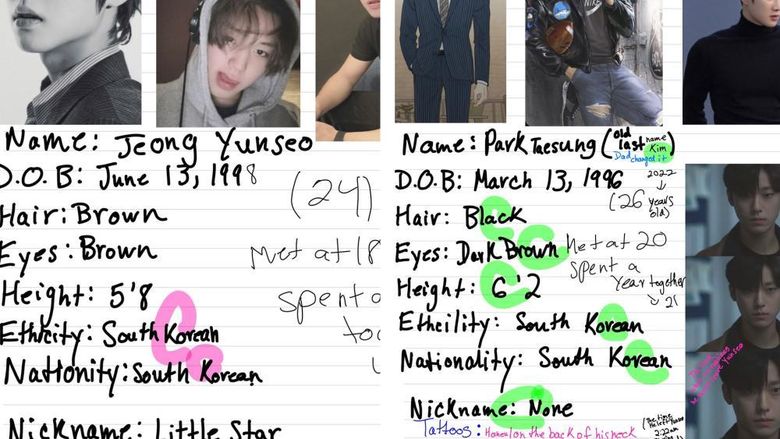
Images and text about the lives of two characters in a novel

Caps Off: New Abington graduate's novel wins award, selected for a conference

Pixabay news

Abington student journalists debut campus news site

Contact

Liliana Naydan
Professor of English and American Studies
Writing Program Coordinator, Penn State Abington
[email protected]

Locations of Penn State’s campuses throughout Pennsylvania with Penn State Abington highlighted.

Penn State Abington

Conveniently located in a suburban setting, north of Philadelphia, and easily accessible by public transportation.
  • instagram
  • facebook
  • linkedin
  • youtube
  • x (formally twitter)
Visit Us Give Now
  • Academics
    • Library
    • Registrar
  • Admission
    • Visit Penn State Abington
    • Take our Virtual Tour
  • Athletics
    • Contact Athletics
    • Schedule of Games
  • Careers
  • Contact Us
  • Campus Directory
    • Faculty
    • Staff
  • Directions
    • Virtual Tour
  • This is Penn State
    • Media Resource Center
    • PSUalert
    • Police and Public Safety
  • Tuition & Financial Aid
    • Tuition and Fees
    • Financial Aid
  • Faculty/Staff Resources
    • Activity Insight
    • Canvas
    • Intranet
    • LionPath
    • Penn State Research Portal
    • Outlook
    • Starfish
Penn State University
1600 Woodland Road, Abington, Pennsylvania 19001 215-881-7300

Footer Legal Menu

  • Privacy
  • Non-discrimination
  • Accessibility
  • The Pennsylvania State University © 2026
  • We Are Penn State